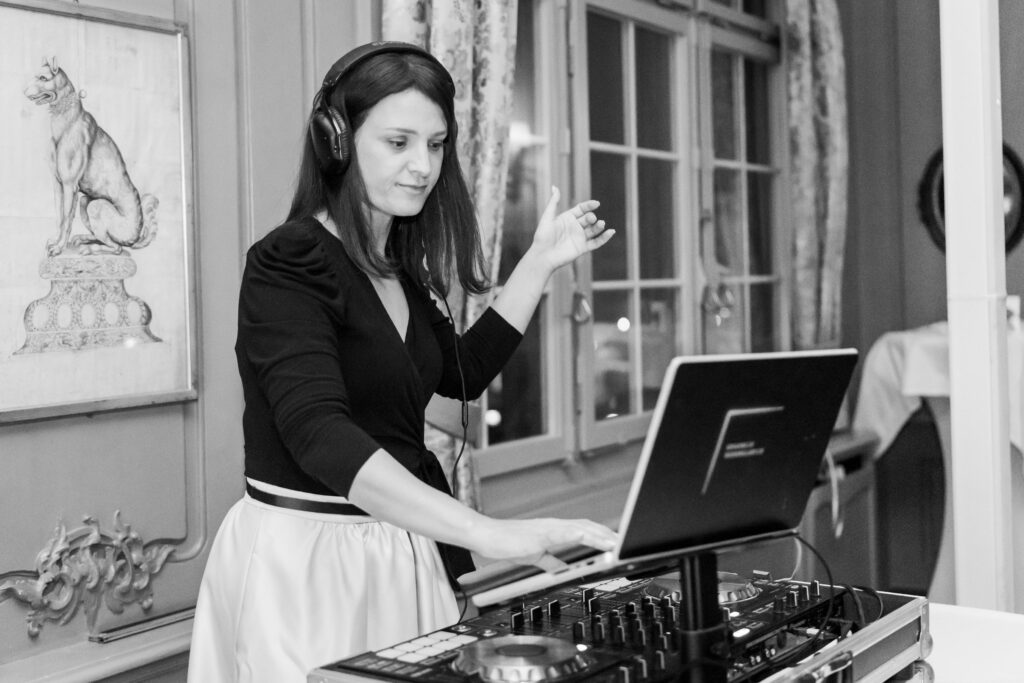
Anyone who has ever seen a dance floor change completely within a few seconds knows how much the right music can influence the mood of a wedding. But there is more to it than a good song selection. A professional wedding DJ watches how guests react, builds tension and keeps deciding which music fits the moment right now.
A neuroscientist who works as a DJ himself even describes DJing as an intense workout for the brain. If you take a closer look at everything that happens at the same time while mixing, the idea is not that far-fetched.
This article is about why our brain and psychological processes play a part in this.
What music triggers in our brain
The magic word is neuroplasticity. Our brain is not a finished system that stops changing at some point. It keeps developing through experience. It forms new connections, strengthens existing networks and can learn to process information in new ways.
Music is especially fascinating here, because listening to music does not just activate a single “music centre”. Hearing, movement, attention, memory, emotion and the reward system all work together at the same time. That is why a song is not only heard, it can trigger something in us in very different ways.
It is exactly this connection between music and the brain that explains why certain songs reach us instantly, while others barely get a reaction. On a dance floor, many of these differences are especially easy to observe.

Why rhythm gets us moving
Rhythm can have a direct influence on movement and is even used in neurological rehabilitation, for example for people after a stroke. In what is known as Rhythmic Auditory Stimulation , a steady rhythm is used to support movements such as walking. The brain can use the beat as a timing reference.
We know this phenomenon from everyday life, too. You are sitting somewhere, music is playing, and at some point your foot starts tapping along. Shortly after, maybe your head or shoulders start moving, until you eventually get up and move to the music quite naturally.
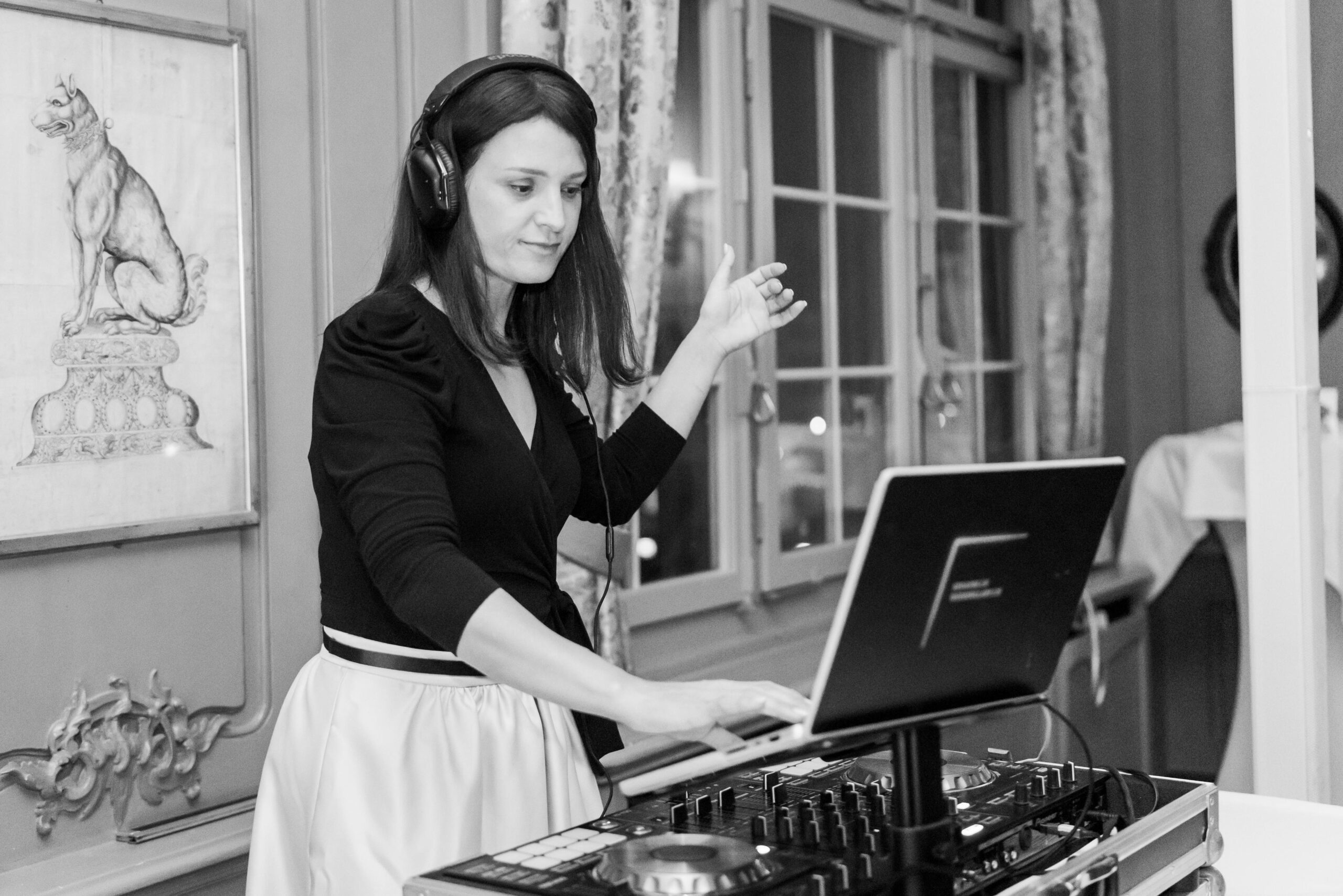
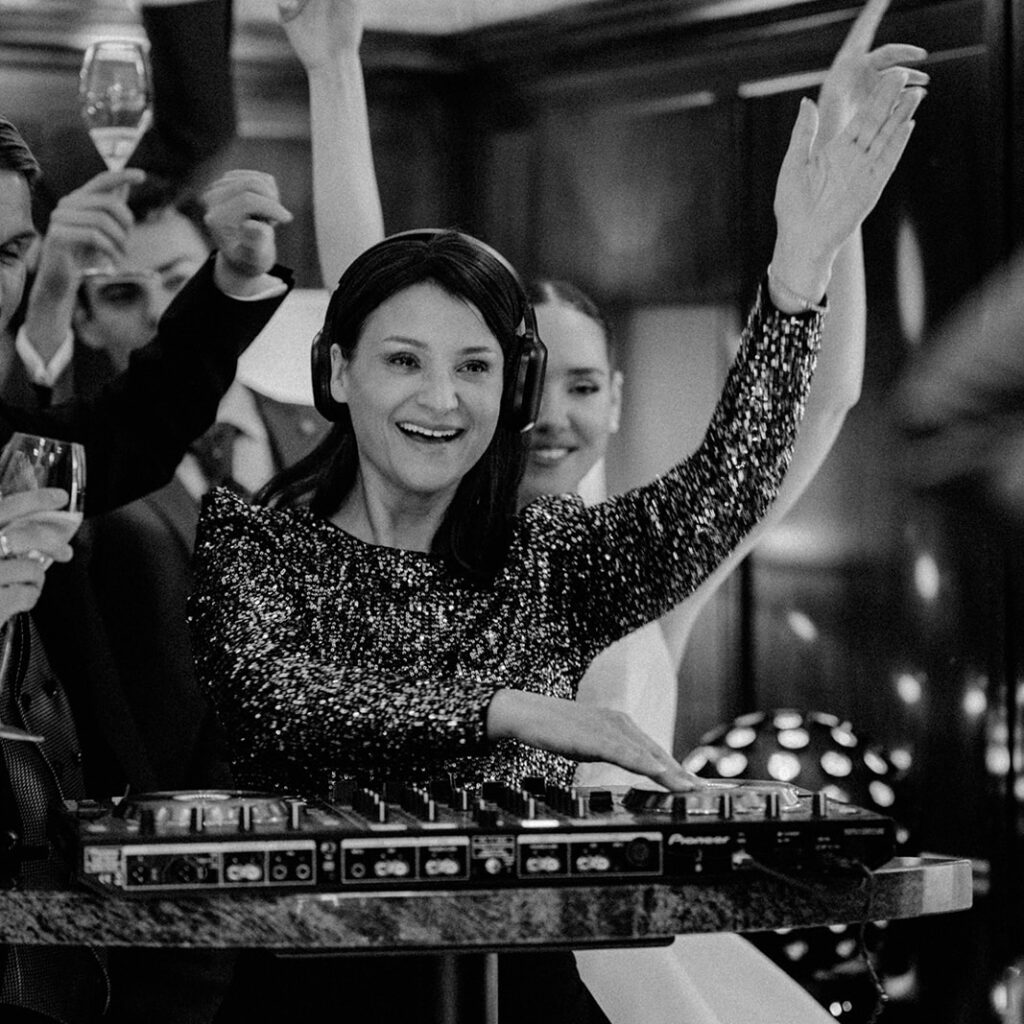
As a wedding DJ, I see exactly this process all the time. You can often watch a song reach a room long before anyone actually steps onto the dance floor.
This is exactly where DJing gets particularly interesting, because these small reactions give lots of clues about how the music is landing in the room.
How a wedding DJ can influence the mood
Of course, this does not mean I press play at 128 BPM and suddenly all the guests march towards the dance floor as if remote-controlled. A good party does not work that simply.
An experienced DJ can, however, very much influence how a room moves and feels. Tempo, rhythm, volume, familiarity, surprise, repetition and tension all play a part, just like the right song at the right moment. This way, energy can be built up, taken back a little or deliberately led towards a high point.
Sometimes it makes sense to bring the next big moment right away, sometimes it works better to build the tension a little longer.
For me, this is where a lot of psychology comes in. It is not about manipulating people. It is about noticing their reactions, understanding them and responding to them with music. That is why, for me, this feel is just as much a part of professional DJing as technical skill and a large musical repertoire.
Why our brain loves musical tension
At every party there is that moment when only the first few seconds of an intro are playing and some guests already know which song is coming. The chorus has not even started, and yet the mood in the room changes instantly.
Music works a lot with expectation. Our brain constantly tries to predict what comes next. With music we particularly like, our reward system is involved too, including dopamine. The exciting part is that the reward does not only start with the big chorus or the drop, because the anticipation of that moment can already be part of the experience.
Every good DJ knows this effect intuitively. A drop could come right away, but sometimes it works better to hold the tension a few seconds longer. When the expected moment then actually arrives, exactly this built-up anticipation can spread across the whole dance floor.
Why music can trigger such strong memories
Even more fascinating is the connection between music and memory. People with dementia may have trouble recalling names or certain events and still react surprisingly strongly to music from their past. Musical memories can sometimes last a very long time.
We probably all know this phenomenon in a much more everyday form. You hear just a few seconds of a song and suddenly, in your mind, you are no longer in 2026 but 17 or 23 again, sitting in a particular car, standing in a club, remembering a holiday or a person from that time. Sometimes details come back that you have not thought about in years.
Our brain sometimes seems to set some surprising priorities: Important appointment last week? No idea. Song lyrics from 1999? Of course, word for word.
Why old songs often work better at weddings than new hits
I experience this again and again as a wedding DJ. A current hit with hundreds of millions of streams is playing and the guests are dancing, but as soon as the first seconds of a 20-year-old song start, the mood sometimes changes completely.
The reason is often that the current hit may be a very good song, but for many people the older song is tied to a piece of their own life. It carries summer holidays, friendships, exes, car rides, clubs, school, first kisses, embarrassing outfits and probably a few decisions you would rather not talk about today.
That is exactly why choosing music does not work through charts, streaming numbers or current Spotify trends alone. The key question is always who is standing in front of you right now and which music means something to them.
How a wedding DJ reads the dance floor
While I am DJing, I watch the room very closely, because even small reactions can reveal a lot about how the music is working right now.
Among other things, I pay attention to questions like these:
- Who is already moving to the music?
- Who suddenly starts singing along?
- Who looks straight at their friends when the intro starts?
- Who puts their glass down and heads for the dance floor?
- Who is leaving the dance floor right now?
- Has the energy in the room changed?
- Can I take the music one step further now?
- Do the guests need something familiar right now, or can I surprise them?
- Is exactly the right song playing right now, so maybe it should run a little longer?
Decisions like these are made all the time during a party. That is why, for me, the most important question while DJing is not simply: “Which song do I play next?” The much more important question is: “What does this room need right now?”
Why people react together on the dance floor
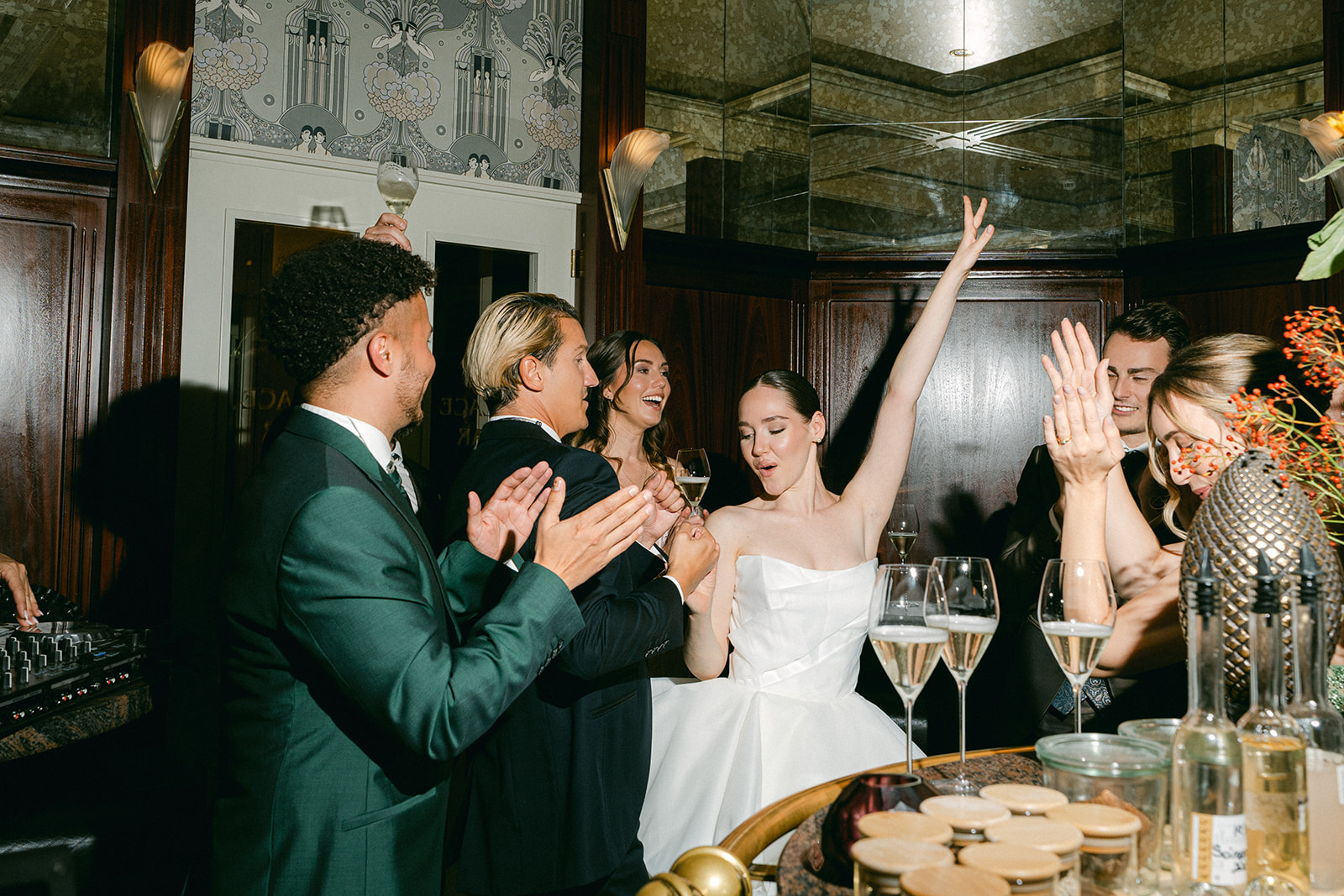
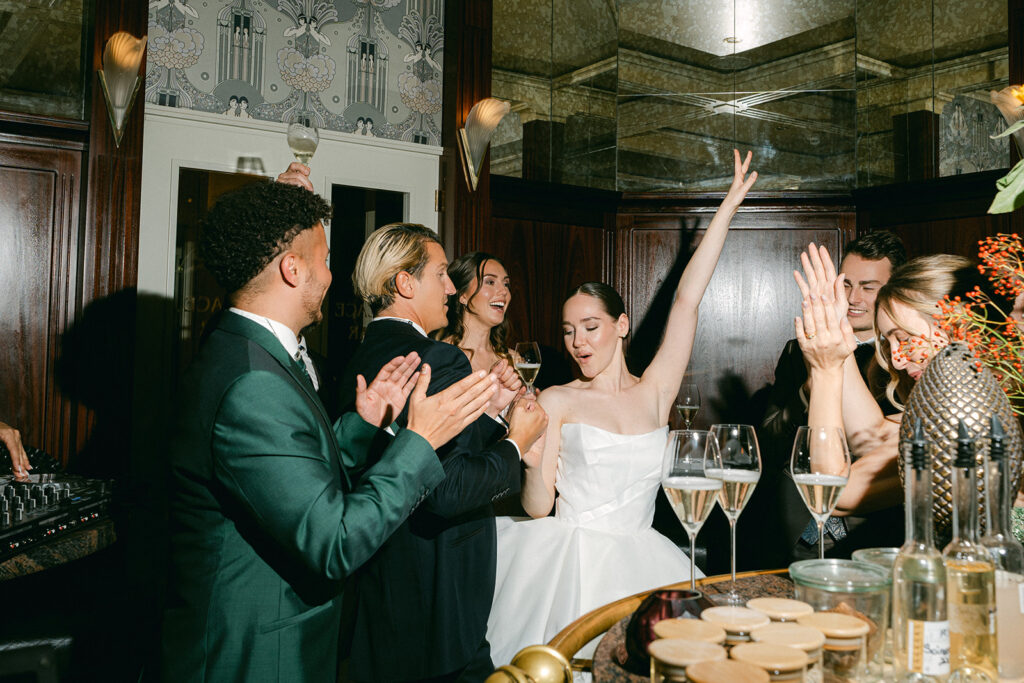
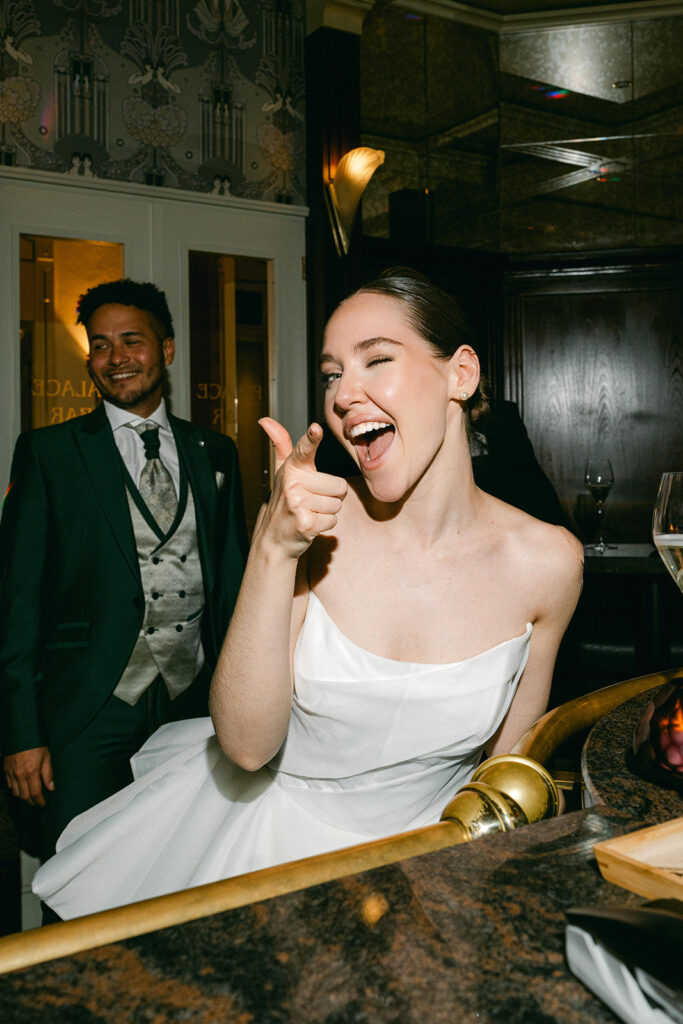
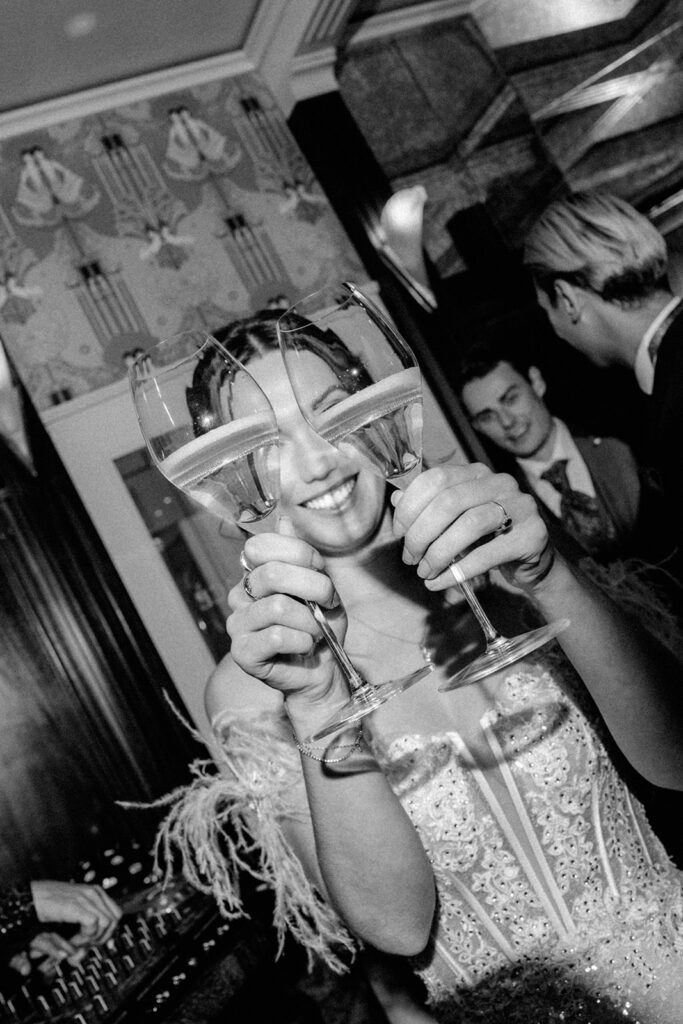
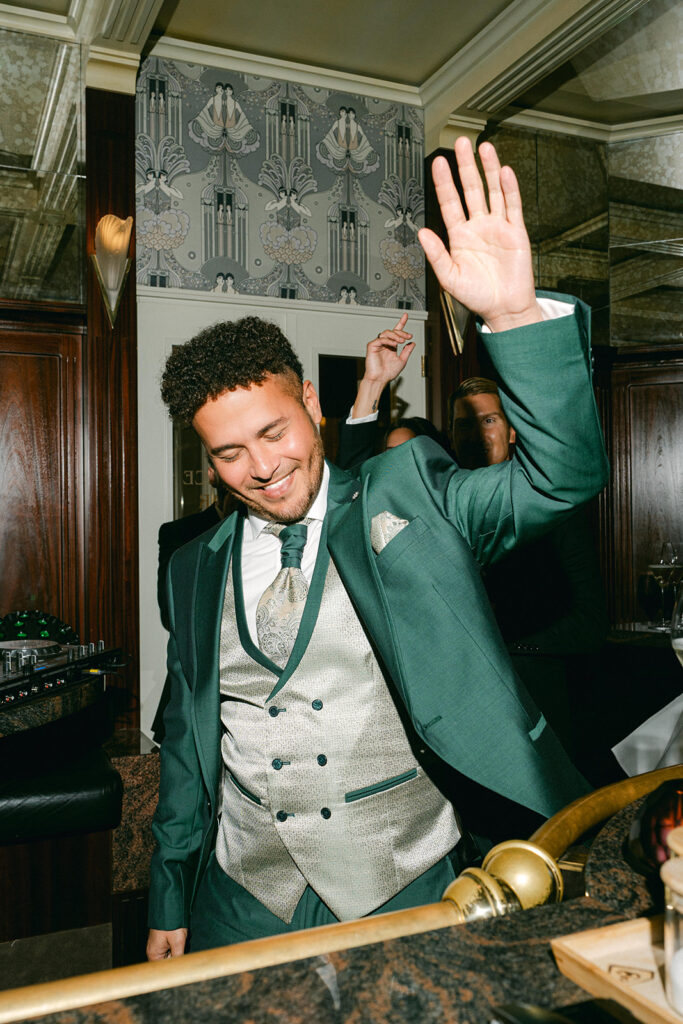
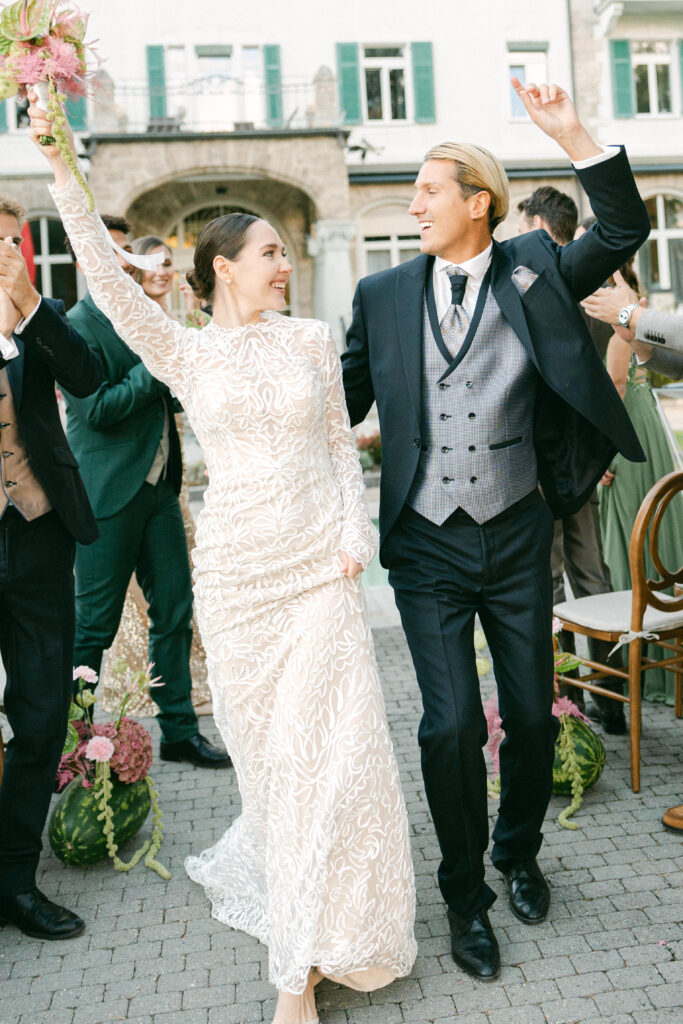
If you watch a really good dance floor, at some point you no longer see individual people moving to the music. The guests sing the same line at the same time, jump together, clap together, turn towards each other, put their arms around each other’s shoulders and suddenly dance with people they might not have known a few hours earlier.
In moments like these, people are no longer just reacting to the music, but to each other as well. For me, that is one of the most beautiful things about a good party. At the start of an evening there are often separate groups. The family stands together, the friends somewhere else and the colleagues in yet another spot. As the evening goes on, these groups blend more and more, until at some point there is simply one shared dance floor. Good wedding planning creates the right setting for this, but what happens on the dance floor always happens in the moment.
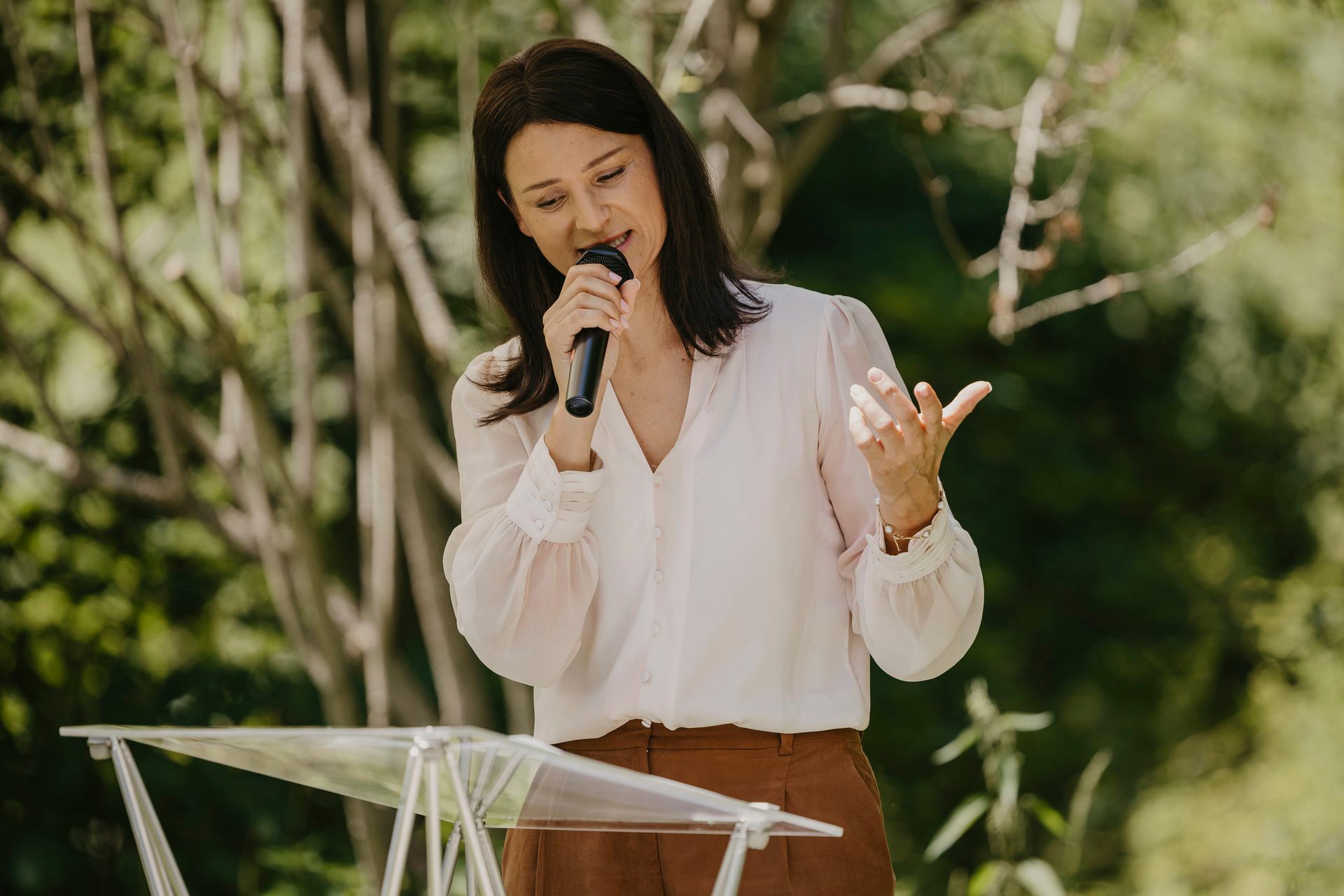
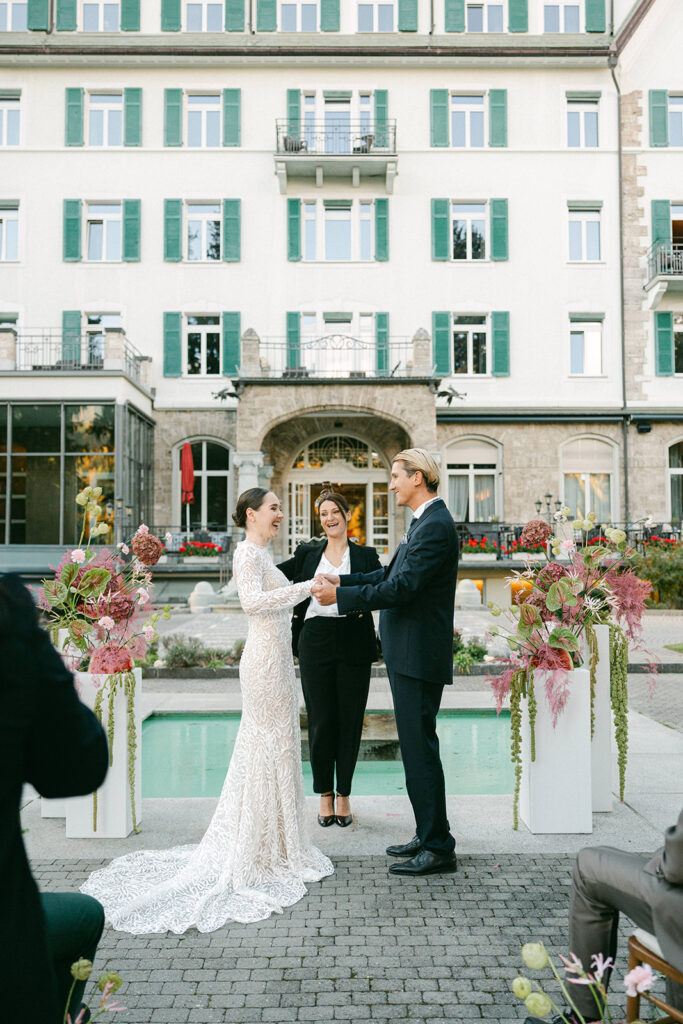
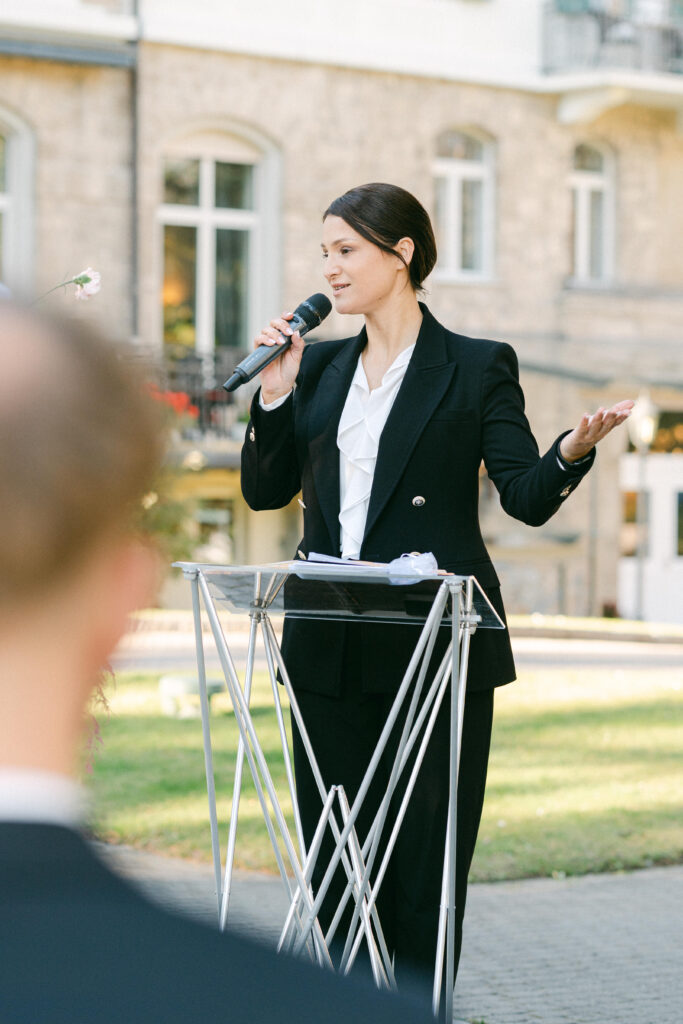
I find this moment especially beautiful at weddings, because people from very different parts of the couple’s life come together there. Maybe I notice these developments so consciously because I don’t only accompany weddings as a DJ, but also as a wedding celebrant and Singer. That way, I already get to know many guests during the ceremony, the drinks reception or other moments of the wedding day, and I get a feel for the crowd long before the actual party starts.
Why a wedding DJ is more than a playlist
A playlist knows songs, but it doesn’t see that six friends have just jumped up at the same time. It doesn’t notice that the parents are suddenly singing along to every word, and it doesn’t recognise that the groom is pulling his friends towards the dance floor.
It definitely doesn’t recognise the moment when Uncle Peter takes off his jacket. And when Uncle Peter takes off his jacket, experience tells us we have entered a completely new phase of the evening.
Situations like these are exactly why the question of the right music can’t simply be answered with a good playlist. Of course the songs themselves matter, but the moment they are played matters at least as much. A song can barely get a reaction at the start of a party and, two hours later, be exactly the track the whole room sings along to.
Frequently asked questions about music, psychology and wedding DJs
What do music and the brain have to do with DJing?
DJing is not only about choosing songs. It is also about noticing reactions in the room and responding to them with music.
Why do people often react so strongly to familiar songs?
Familiar songs are often linked to certain people, experiences or phases of life and can therefore trigger especially strong memories.
Why do some songs get people onto the dance floor straight away?
Several factors come together here, including rhythm, tempo, familiarity, personal memories and the current mood in the room.
Why do older songs sometimes work better than current hits?
For many people, older songs are more than just music, they are tied to personal memories. That is exactly what can strengthen their effect at a party.
Why is a playlist not the same as a DJ?
A playlist plays songs. A DJ also watches the guests and can adapt the music to the mood on the dance floor at any time.
Conclusion: what good DJing means to me
For me, every good party shows once again that DJing is not simply about knowing the right songs. What matters is the feel for which song is right for exactly these people at exactly this moment. For me, that is the difference between playing music and really accompanying a dance floor.
If you are planning your wedding and would like someone who can coordinate the ceremony, live vocals and the evening party with each other, you can book me as your DJ, Wedding Celebrant, singer or for several parts of the day together. In a free, no-obligation consultation we will look together at what suits you and your wedding.